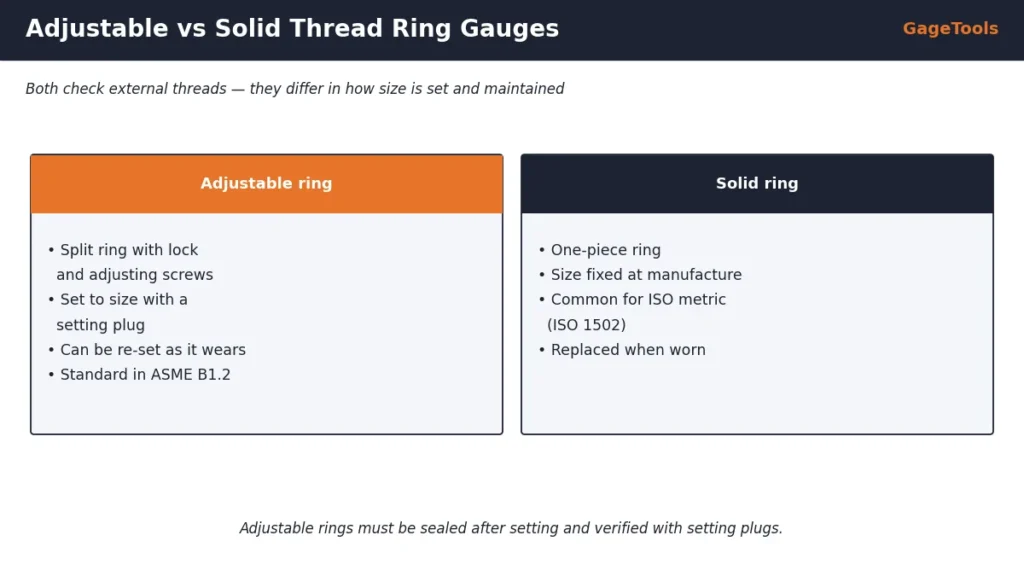
Adjustable vs Solid Thread Ring Gauges: Which Should You Buy?
Adjustable thread ring gauges can be re-set as they wear; solid rings are fixed in size. Compare cost, standards, calibration and when to choose each.

Adjustable thread ring gauges can be re-set as they wear; solid rings are fixed in size. Compare cost, standards, calibration and when to choose each.
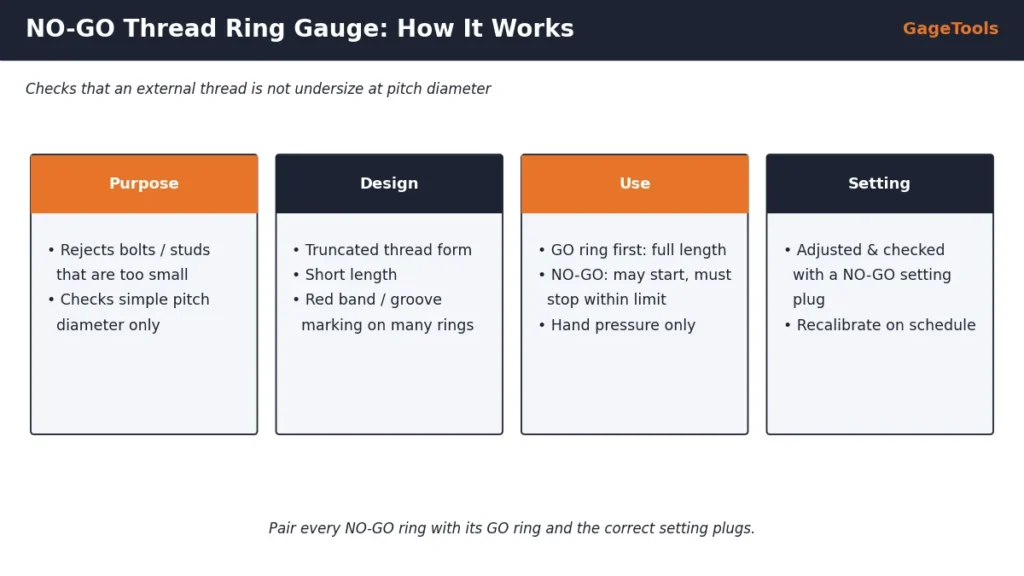
A NO-GO thread ring gauge rejects undersize external threads. Learn how it differs from the GO ring, how to use it, how it is set and what to order.
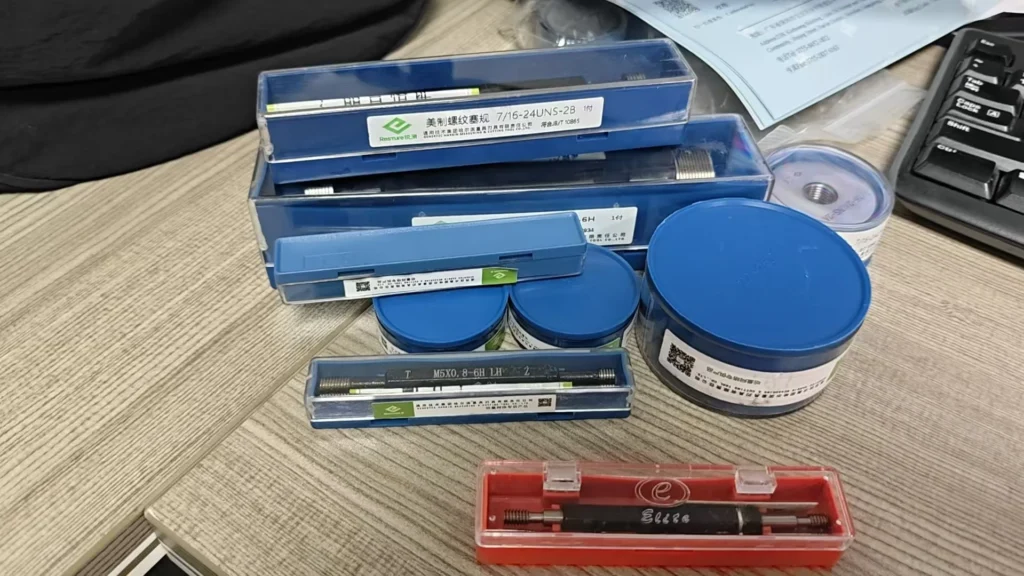
Stock thread gauges ship in 72 hours; custom gauges take 10–15 working days. See what affects lead time and the questions to confirm before you order.
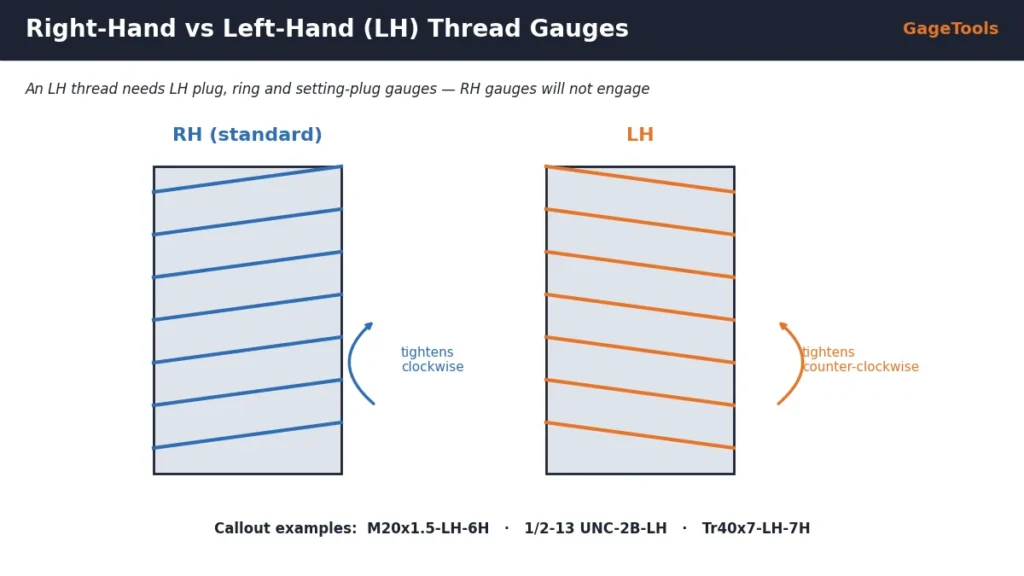
Left-hand threads need dedicated LH plug and ring gauges. Learn how LH threads are marked on drawings, where they are used, and what to send for a quote.
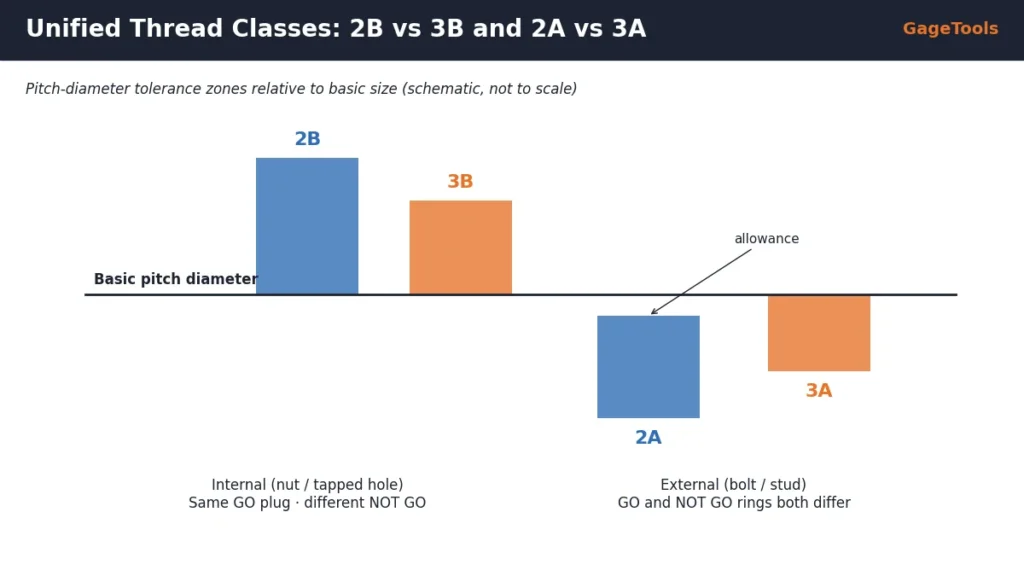
2B and 3B are internal UN thread classes; 2A and 3A are external. See how they differ, which GO/NO-GO gauges change, and how to order the right thread gauge.
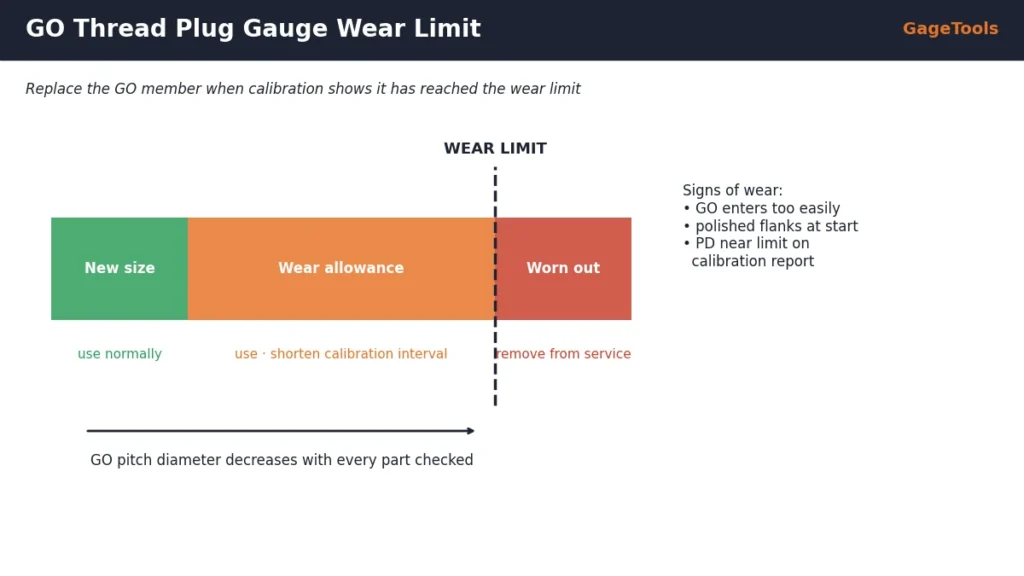
GO thread plug gauges wear with every part checked. Learn what the wear limit is, how to read it on a calibration report, and when a gauge must be replaced.
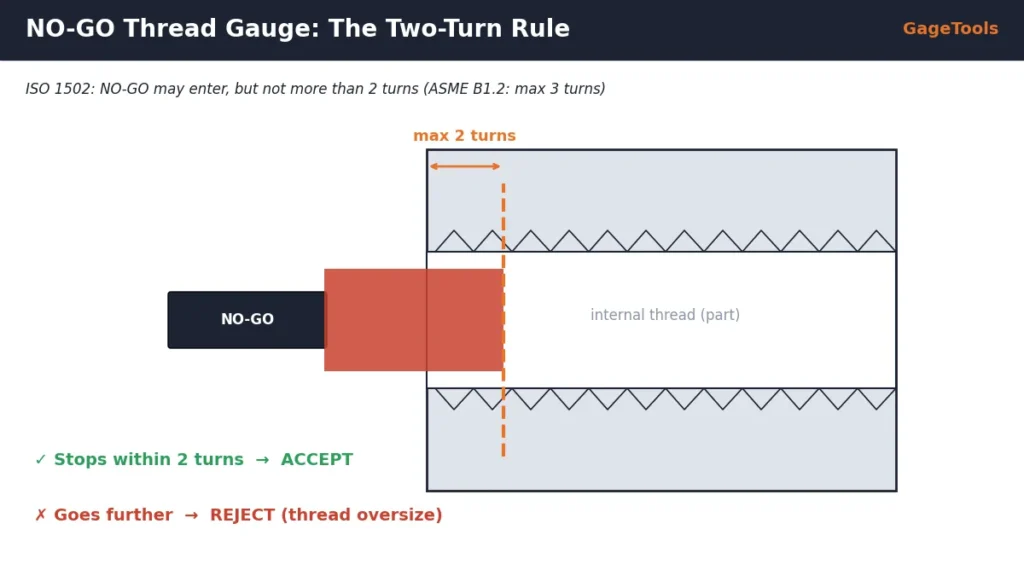
A NO-GO thread gauge may start to enter but must stop within the permitted turns. Learn the ISO 1502 two-turn rule, the ASME B1.2 limit and how to apply them.
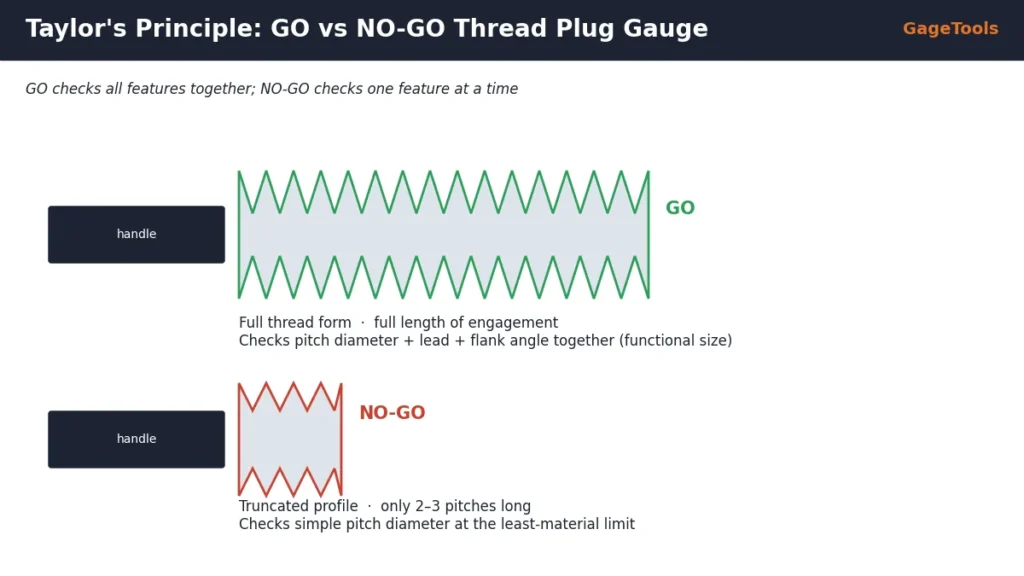
Taylor’s principle says GO gauges check all features at once and NO-GO gauges check one at a time. See how it shapes thread plug and ring gauge design.
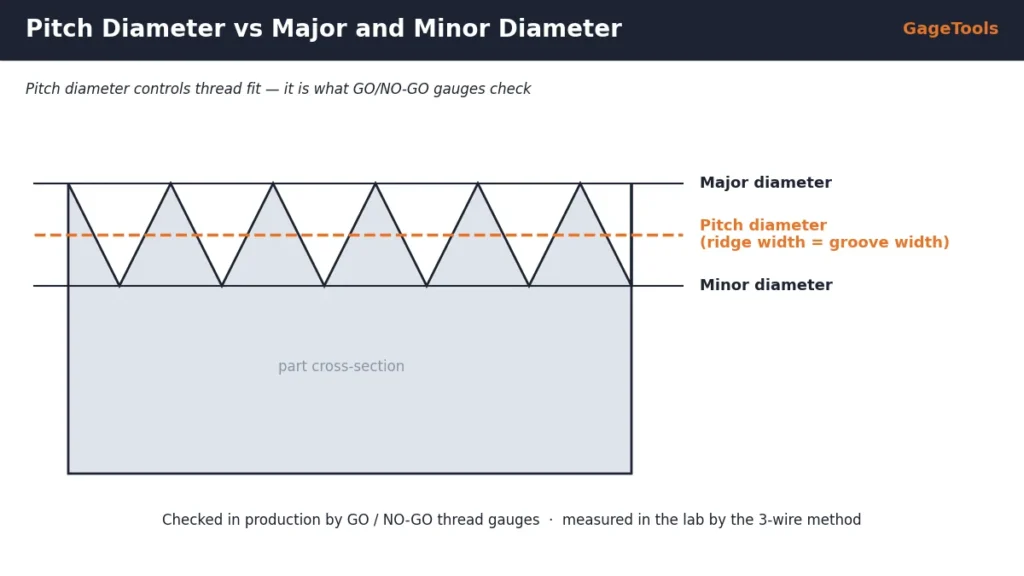
Pitch diameter controls how a thread fits. Learn what it is, how GO/NO-GO gauges and 3-wire checks measure it, and what to specify when ordering thread gauges.
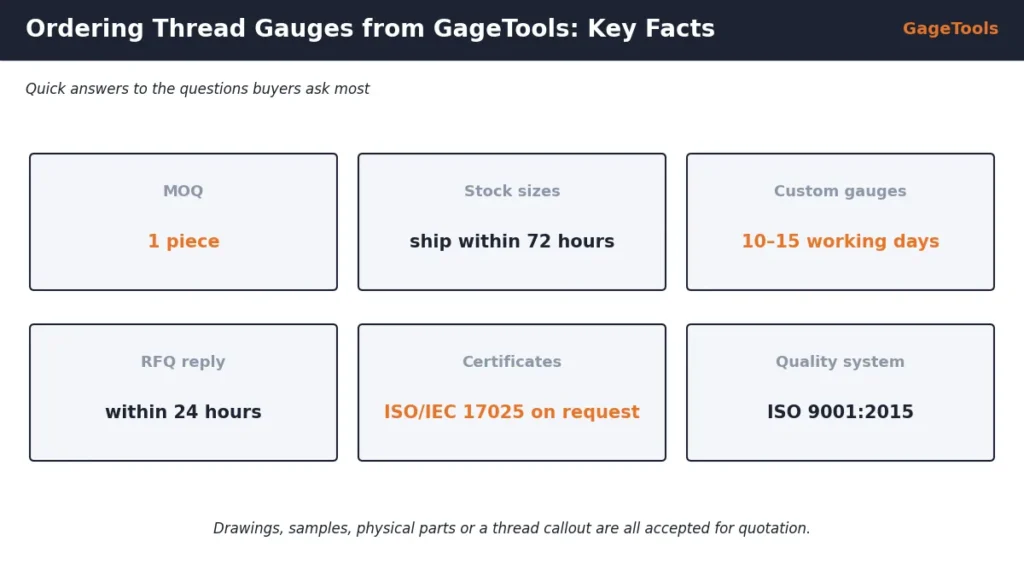
This page collects the questions industrial buyers ask most often before placing a thread gauge order, based on the questions