Need gauges for this? GageTools manufactures GO/NO-GO thread plug gauges and thread ring gauges in Dongguan, China. Standard sizes ship from stock within 72 hours, MOQ is 1 piece, and every RFQ gets a reply within 24 hours — request a quote.
What Should You Check Before Changing Thread Gauge Manufacturers?
Before transferring orders, confirm that the new manufacturer will supply gauges to the same approved specification and documentation requirements. Review the drawing revision, gauge function, applicable standards, inspection stage and calibration scope. Evaluate the first delivery before releasing the new source for routine purchasing.
A supplier change should preserve your inspection requirements while addressing the reason for the change, such as delivery reliability, technical support or cost. Reordering from the markings on an old gauge alone can leave important requirements undefined.
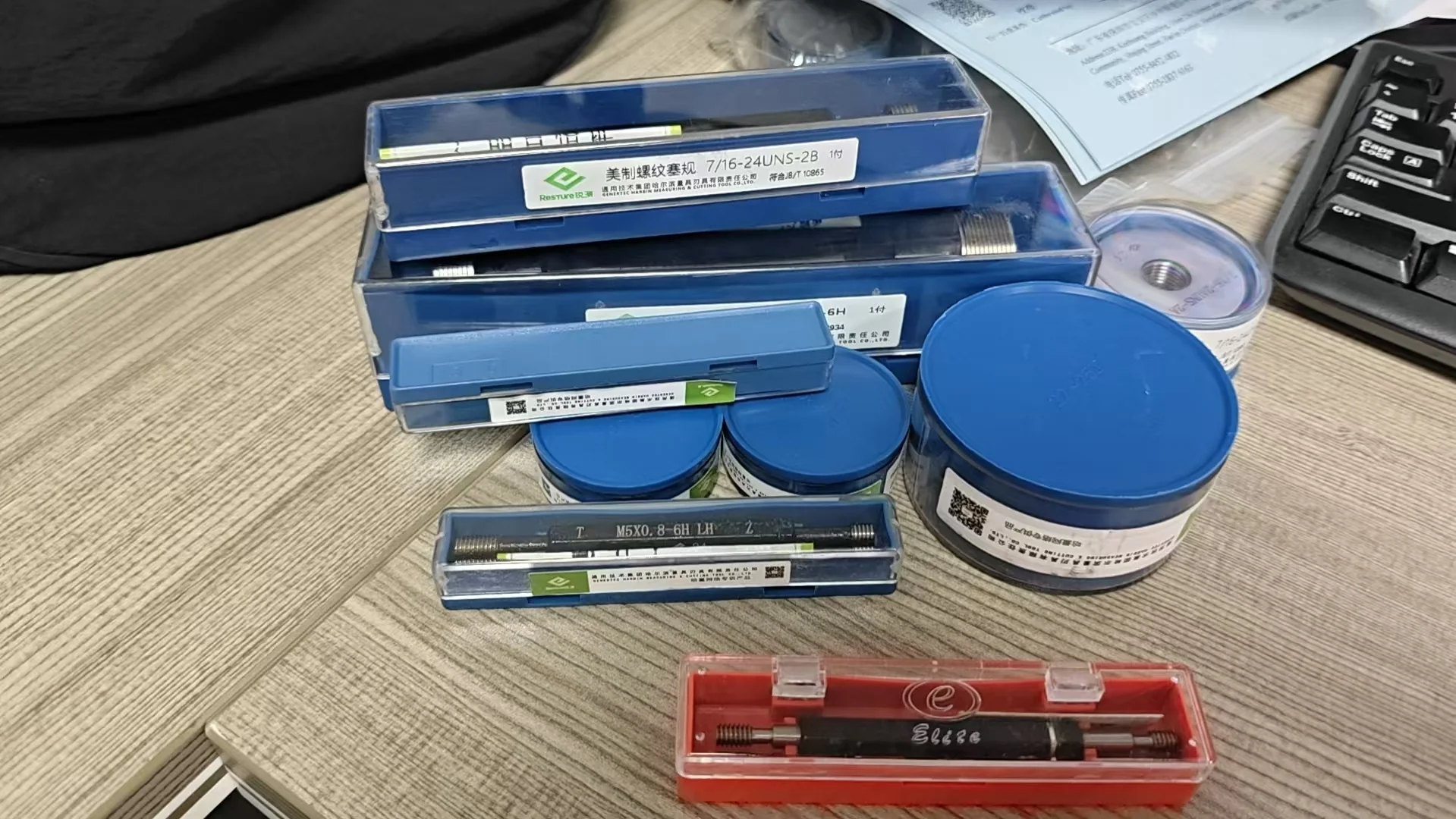
1. Build a Transfer Record for Each Gauge
Create one record for each gauge you intend to transfer. Include the part drawing, current revision, complete thread designation, gauge configuration, quantity and required documents. Add photographs of the existing gauge markings where useful.
Identify the inspection stage, particularly where a component is checked before or after coating. Also record any special length, access, handle or marking requirement that may not appear in a short product description.
If an old purchase order conflicts with the current drawing, resolve the difference with your engineering or quality team before requesting a replacement.
2. Confirm the Gauge Function, Not Just Its Appearance
Clarify whether you need a working gauge for inspecting parts or a setting gauge associated with a gauging system. Similar-looking tools are not necessarily interchangeable.
For example, Vermont Gage explains that a setting plug associated with an adjustable thread ring gauge is not equivalent to a working plug gauge for inspecting an internal product thread. Its guide to thread classes and setting plug gauges illustrates why the intended function must be specified.
Ask the new supplier to confirm the proposed gauge designation and configuration in writing rather than interpreting an existing tool from a photograph alone.
3. Compare the Existing and Proposed Supply Scope
| Transfer Item | What to Confirm | Action Before Release |
|---|---|---|
| Drawing control | Part and gauge drawing revisions | Resolve conflicting or missing specifications |
| Gauge function | Working or setting gauge; required components | Approve the proposed configuration |
| Technical requirements | Applicable standards, tolerance designation and inspection stage | Record the agreed manufacturing basis |
| Documentation | Required reports and gauge identification | Review a sample document format |
| Physical access | Gauge length, handle and clearance requirements | Check usability where geometry is restricted |
| First delivery | Condition, identification and acceptance evidence | Complete the agreed incoming review |
| Supply continuity | Approval timing, required delivery and remaining usable stock | Plan the transition before retiring the existing source |
| Future changes | Drawing, configuration and documentation changes | Define when renewed approval is required |
4. Do Not Use an Old Gauge as the Only Acceptance Reference
An existing gauge can provide useful identification and handling information, but its current condition must be considered. Wear, damage or an uncertain calibration status can make it unsuitable as the sole reference for accepting a replacement.
Ask the new manufacturer to work from the approved requirement. If reverse engineering is necessary because documentation is missing, agree on the resulting specification and its limitations before production.
Copying an old tool without confirming the intended acceptance limits can carry an unresolved problem into the new order.
5. Investigate Different Inspection Results Methodically
If the old and new gauges produce different results, do not automatically accept one or reject the other. First check that both were intended for the same specification and inspection stage.
Review identification, condition, calibration records and the inspection procedure. Record which parts were checked and how the results differed. Your quality team should determine whether further measurement or supplier review is necessary.
Do not modify a new gauge merely to reproduce the feel of an old one. Changes should follow an approved technical process.
6. Keep Production Release Separate from Sample Receipt
Receiving a sample is not the same as approving the new source. Assign responsibility for reviewing the documents and completing any required practical checks. Record approval, conditional approval or rejection before placing routine repeat orders.
Illustrative example: a purchasing team receives replacement gauges before the old source stops supplying them. The new gauges remain pending approval until their identification, documentation and intended use have been checked. This planned overlap gives the team time to resolve questions without relying on unapproved tools.
7. Agree on Packaging and Repeat-Order Identification
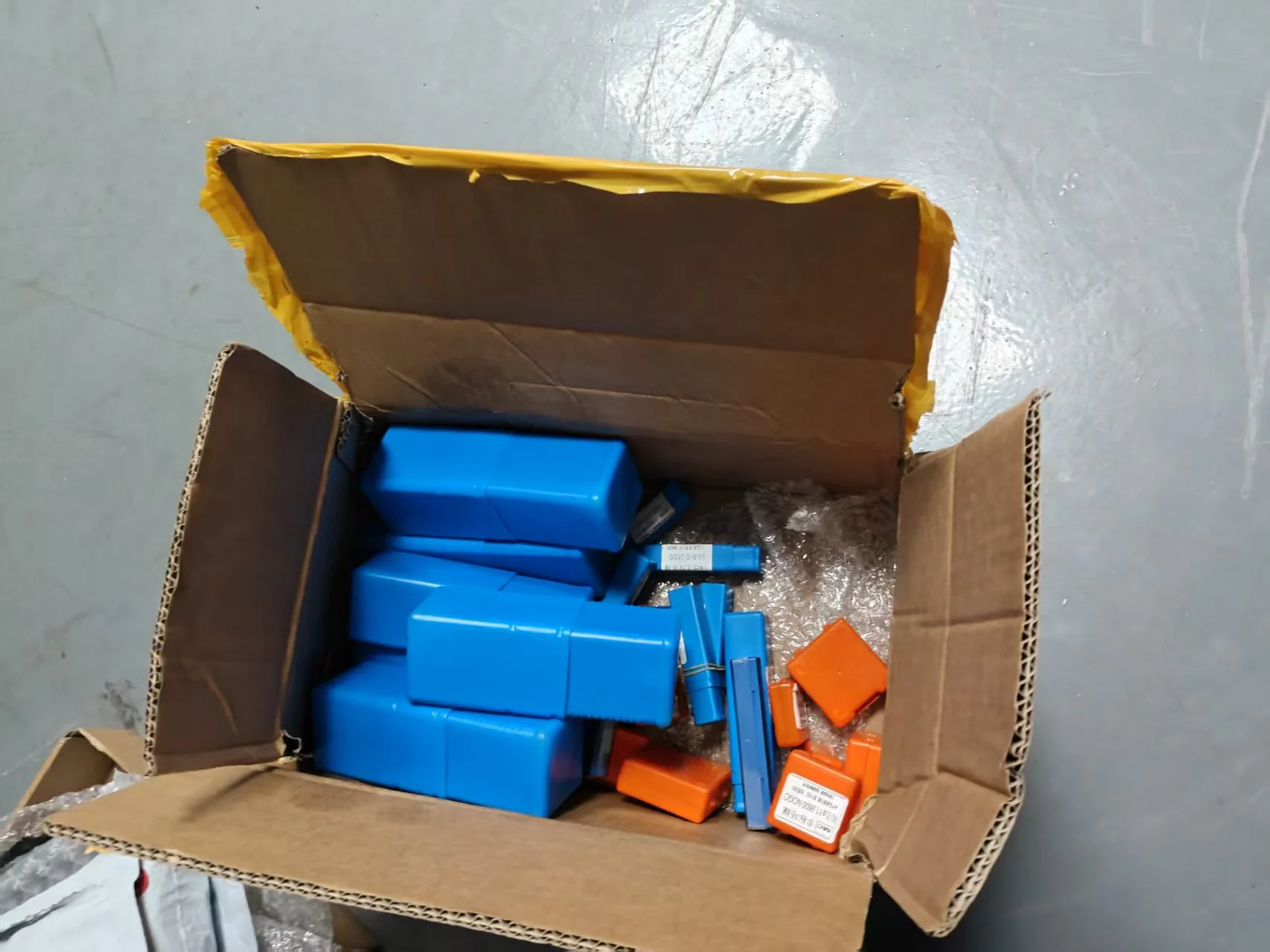
Specify how individual gauges and their records should be identified. Clear packaging helps receiving teams distinguish similar sizes and route the correct documents to quality personnel.
For repeat orders, reference the approved specification and record any accepted deviations. Confirm whether changes to configuration or documentation require renewed review.
Questions About Changing Gauge Suppliers
Can I order replacements using only the markings on my current gauge?
Markings are a useful starting point, but may not state every requirement. Provide the drawing, intended gauge function, applicable specifications and documentation needs wherever available.
Should a replacement gauge feel exactly like the old gauge?
Feel alone is not an acceptance criterion. Investigate differences using the approved specification, gauge condition and applicable inspection procedure.
Can I maintain two approved thread gauge manufacturers?
A second source can be evaluated against the same controlled requirements. Keep supplier-specific records and apply your approval process to each source.
Do I need a trial order before transferring all purchases?
A trial order can help evaluate documentation, handling and delivery performance. Its scope should reflect the complexity of the gauges and your internal supplier approval requirements.
Discuss a Replacement or Second-Source Gauge Order
Contact GageTools in Dongguan, Guangdong, China, with your drawing, existing gauge designation and purchasing requirements. Include the quantity, required documents and delivery destination so the proposed supply scope can be reviewed.
For a complete enquiry checklist, read how to order custom thread gauges.
Email: [email protected]
✓ 20+ years gauge manufacturing
✓ ISO 9001:2015 certified
✓ In-house CNC grinding & inspection
✓ Drawing / RFQ reply within 24h